



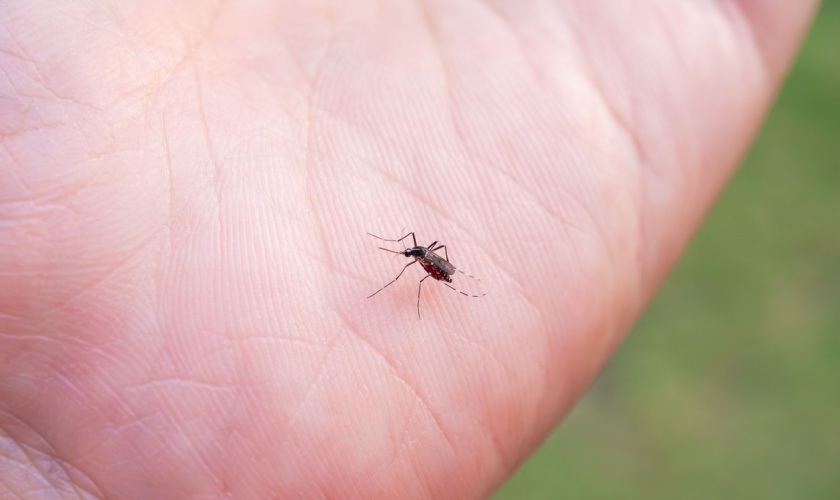
Mosquito season in Raleigh isn’t just a few weeks in summer – it’s an ongoing challenge that can stretch from early spring through late fall. If you’re tired of canceling outdoor plans or coating yourself in repellent just to check the mail, professional mosquito treatment can provide lasting relief. But how often do you really need to treat your property to keep mosquitoes at bay? The answer depends on several factors, including the severity of the mosquito problem, your property’s characteristics, and how you use your outdoor spaces.
Understanding Mosquito Treatment Cycles
Professional mosquito treatments work by applying targeted insecticides to areas where mosquitoes rest during the day – shrubs, under decks, in tall grass, and other shaded, humid spots around your property. These treatments kill adult mosquitoes on contact and provide residual protection that continues working for several weeks.
Most treatments remain effective for approximately three to four weeks under normal conditions. However, heavy rain can wash away some of the product, reducing its effectiveness. Temperature extremes, humidity levels, and the specific products used also affect how long protection lasts.
Monthly Treatments During Mosquito Season
For most Raleigh homeowners, monthly treatments throughout mosquito season provide the best balance of effectiveness and cost. In our area, mosquito season typically runs from April through October, with peak activity during the hot, humid summer months from June through August.
Monthly treatments ensure consistent protection as mosquito populations fluctuate throughout the season. Just when one treatment begins to wear off, your next scheduled service maintains the protective barrier around your property.
This schedule works well for families who use their outdoor spaces regularly but aren’t hosting events every weekend. It provides reliable protection without the expense of more frequent treatments.
Bi-Weekly Treatments for High-Activity Properties
If you spend a lot of time outdoors, have small children who play in the yard daily, or live near standing water sources like ponds, creeks, or retention basins, you might benefit from bi-weekly treatments every two weeks.
Properties with heavy tree cover, dense landscaping, or poor drainage tend to have higher mosquito populations and may need more frequent treatment to stay comfortable. Homeowners who frequently entertain outdoors or have pools and outdoor living spaces they use constantly often opt for this more intensive schedule.
Bi-weekly treatments ensure mosquitoes never have a chance to reestablish themselves between services. While more expensive than monthly treatments, the additional protection can be worth it if mosquitoes are severely impacting your quality of life.
Event-Based Treatments
If you don’t need season-long protection but have specific outdoor events planned—weddings, graduation parties, family reunions, or other gatherings—one-time treatments can provide relief for your special occasion.
Event treatments are typically applied 24 to 48 hours before your event to allow the product to dry and take full effect. This gives you a mosquito-free window of several weeks, perfect for ensuring your guests can enjoy themselves without being eaten alive.
While event-based treatments cost less upfront than ongoing programs, they don’t provide continuous protection. You’ll need to reapply after each treatment period expires if you want sustained results.
Year-Round Treatment: Is It Necessary?
In Raleigh, mosquito activity drops significantly during winter when temperatures consistently fall below 50 degrees Fahrenheit. Most mosquito species become dormant or die off during cold weather, which means treating during December, January, and February typically isn’t necessary.
However, mild winters or unseasonably warm stretches can bring mosquitoes back temporarily. Some pest control companies recommend starting treatments in early spring (March or April) before mosquito populations explode and continuing through late fall (October or November) when temperatures drop consistently.
This extended season approach – eight to nine months of treatment rather than the traditional six – catches mosquitoes early and keeps them suppressed longer, potentially reducing overall populations more effectively.
Factors That Affect Treatment Frequency
Your ideal treatment schedule depends on several property-specific factors:
- Weather Patterns: Rainy seasons may require more frequent treatments since heavy rain reduces product effectiveness.
- Property Size and Layout: Larger properties with more landscaping may need more frequent attention than small, open yards.
- Proximity to Breeding Sites: Living near lakes, swamps, or heavily wooded areas means constant reinfestation pressure from nearby mosquito populations.
- Personal Sensitivity: Some people react more severely to mosquito bites and may want more frequent treatments for comfort.
Working with Your Pest Control Provider
A good pest control company will assess your property and recommend a treatment schedule based on your specific needs rather than offering a one-size-fits-all solution. They should also be flexible, allowing you to adjust your schedule if you find mosquitoes returning between treatments or if you feel you’re treating more often than necessary.
Many companies offer seasonal packages that spread the cost across multiple treatments, making professional mosquito control more affordable than you might expect.
Getting Started with Mosquito Control
The best time to start mosquito treatments is early in the season before populations peak. Waiting until mosquitoes are already unbearable means you’re playing catch-up rather than staying ahead of the problem. AAA Exterminating designs customized mosquito control programs based on your property’s unique challenges and your family’s outdoor lifestyle, with flexible scheduling options that fit your needs and budget. Reach out to AAA Exterminating to discuss your mosquito concerns and find the treatment frequency that works best for your Raleigh home.
