



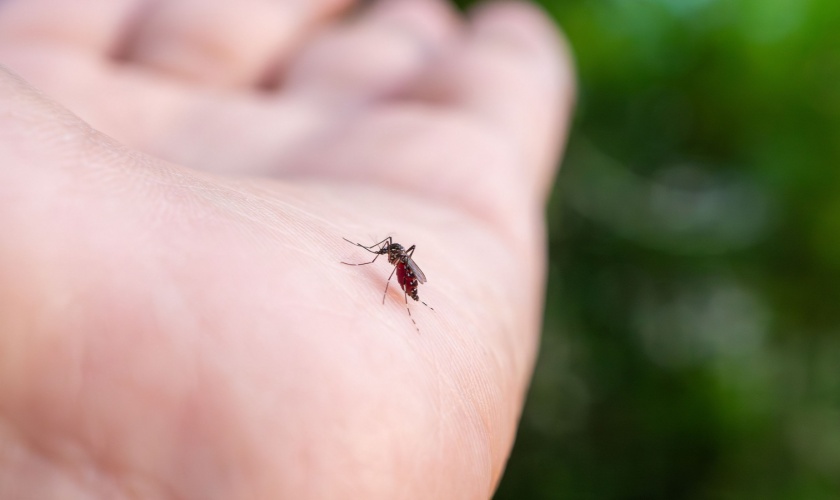
Most people think of mosquitoes as nothing more than annoying pests that leave itchy welts and ruin outdoor activities. While those irritations are certainly frustrating, mosquitoes pose far more serious health threats that Raleigh residents should understand. These tiny insects are among the deadliest creatures on Earth, responsible for transmitting diseases that affect millions of people globally each year. While North Carolina isn’t facing the same disease burden as tropical regions, mosquitoes here still carry real health risks that make professional mosquito control an important consideration for protecting your family.
Mosquito-Borne Diseases Found in North Carolina
Several mosquito-borne illnesses are present in our state, and public health officials monitor these threats closely.
- West Nile Virus is the most common mosquito-borne disease in North Carolina. It’s transmitted primarily by Culex mosquitoes, which breed in standing water and are active from dusk to dawn. Most people infected with West Nile Virus experience no symptoms at all, but about 20 percent develop fever, headache, body aches, nausea, and sometimes a skin rash. In rare cases—particularly among elderly individuals or those with compromised immune systems—the virus can cause severe neurological illness including encephalitis or meningitis, which can be fatal.
- Eastern Equine Encephalitis (EEE) is less common but far more dangerous. This virus causes severe brain inflammation and has a mortality rate of approximately 30 percent among those who develop symptoms. Survivors often face permanent neurological damage. While cases are rare in North Carolina, EEE appears periodically in our state, and even a single case is cause for concern.
- La Crosse Encephalitis primarily affects children and is transmitted by Aedes triseriatus mosquitoes, which breed in tree holes and artificial containers. Most cases cause mild symptoms, but severe infections can lead to seizures and long-term neurological problems.
- Zika Virus gained international attention in recent years due to its devastating effects on pregnancies. While most Zika transmission happens in tropical regions, local cases have occurred in the southern United States. Zika can cause serious birth defects if a pregnant woman becomes infected, making mosquito prevention especially critical for expectant mothers.
Allergic Reactions and Secondary Infections
Beyond disease transmission, mosquito bites themselves cause health problems for many people. Most people experience the typical small, itchy bump at the bite site, but some individuals have more severe allergic reactions. Skeeter syndrome causes large areas of swelling, redness, and pain around mosquito bites, sometimes accompanied by fever and general malaise.
Children, who tend to scratch mosquito bites more than adults, risk developing secondary bacterial infections when scratching breaks the skin. These infections can require antibiotic treatment and, in severe cases, lead to cellulitis—a potentially serious skin infection.
Risks for Vulnerable Populations
Certain groups face higher risks from mosquito-borne illnesses:
- Elderly Adults: People over 60 are more likely to develop severe complications from West Nile Virus and other mosquito-borne diseases. Their immune systems don’t fight off infections as effectively, and they’re more susceptible to neurological complications.
- Young Children: Kids spend more time outdoors and have less developed immune systems, making them more vulnerable to mosquito bites and the diseases they carry.
- Pregnant Women: Zika virus poses serious risks to developing fetuses, including microcephaly and other severe birth defects. Even though local transmission is rare in North Carolina, pregnant women should take mosquito prevention seriously.
- Immunocompromised Individuals: People with weakened immune systems due to cancer treatment, organ transplants, HIV/AIDS, or other conditions face higher risks of severe illness from mosquito-borne diseases.
The Risk of Pet Diseases
Mosquitoes don’t just threaten human health—they also transmit heartworm disease to dogs and cats. Heartworms are parasitic worms that live in the heart and lungs of infected animals, causing severe lung disease, heart failure, and organ damage. Treatment is expensive, difficult, and not always successful.
Even though heartworm prevention medications exist for pets, reducing mosquito populations around your home provides an additional layer of protection for your furry family members.
Climate Change and Expanding Disease Risk
As temperatures warm and weather patterns shift, mosquito-borne disease risks are changing. Warmer winters allow some mosquito species to survive year-round rather than dying off seasonally. This extends the transmission season for diseases and allows mosquito populations to grow larger.
Species that historically lived farther south, including mosquitoes that carry tropical diseases, are gradually expanding their ranges northward into areas like North Carolina. Public health experts expect mosquito-borne disease risks to increase in our region over the coming decades.
Prevention Protects Public Health
Mosquito control isn’t just about personal comfort—it’s a public health issue. Reducing mosquito populations in your yard helps protect not only your family but also your neighbors and the broader community. Areas with comprehensive mosquito control programs see lower rates of mosquito-borne illness.
Personal protection strategies like using EPA-registered insect repellents, wearing long sleeves and pants during peak mosquito hours, and eliminating standing water on your property all contribute to reducing disease risk. However, professional mosquito treatments provide the most comprehensive protection by drastically reducing mosquito populations in the areas where you live and spend time.
Taking Action to Protect Your Family
Understanding the health risks mosquitoes pose makes it clear that professional mosquito control is an investment in your family’s wellbeing, not just a luxury for more comfortable outdoor living. By reducing mosquito exposure, you’re reducing disease risk, allergic reactions, and the general stress of constantly defending against biting insects. AAA Exterminating has protected Raleigh families for over 50 years with effective mosquito control programs designed to keep your outdoor spaces safe and comfortable throughout the season. Schedule your mosquito control service with AAA Exterminating and give your family the protection they deserve from these disease-carrying pests.
