If you’ve been dealing with persistent moisture problems, musty odors, or pest issues originating from your crawl space, encapsulation might be the comprehensive solution you need. Unlike basic crawl space moisture control methods that address symptoms, encapsulation creates a sealed, controlled environment beneath your home that prevents moisture, pests, and outside air from entering in the first place. For Raleigh homeowners facing the challenges of North Carolina’s humid climate, encapsulation offers long-term protection and peace of mind.
What Is Crawl Space Encapsulation?
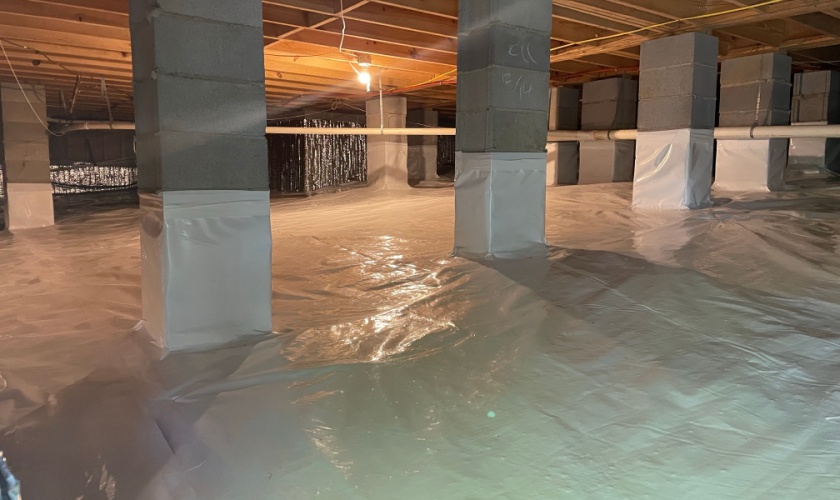
Crawl space encapsulation is the process of completely sealing your crawl space from the outside environment. Think of it as creating a protective barrier around the entire area beneath your home. The process involves covering the floor, walls, and sometimes even the ceiling of your crawl space with a heavy-duty vapor barrier—typically a thick, durable plastic material that blocks moisture from penetrating into the space.
But encapsulation goes beyond just laying down plastic sheeting. A proper encapsulation system includes sealing all foundation vents, cracks, and gaps where outside air and moisture can enter. It often involves installing a dehumidifier to maintain optimal humidity levels year-round and may include insulating crawl space walls to improve energy efficiency.
The goal is to transform your crawl space from a damp, vented area that’s exposed to the elements into a dry, conditioned space that’s part of your home’s building envelope.
How Encapsulation Differs from Traditional Moisture Control
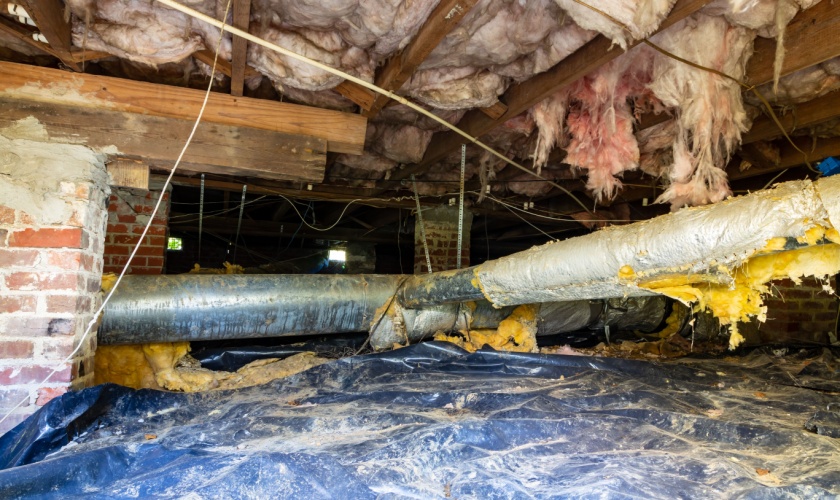
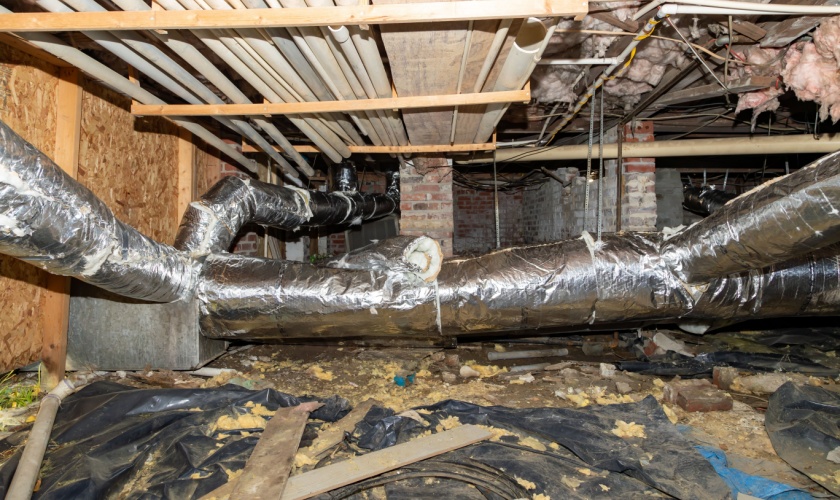
Traditional crawl space construction in our region typically includes foundation vents designed to allow air circulation. The theory was that this ventilation would keep the space dry. In reality, those vents often introduce humid outdoor air during Raleigh’s sticky summers, which then condenses on cooler surfaces inside the crawl space, creating the exact moisture problems they were supposed to prevent.
Basic moisture control methods like installing a simple vapor barrier on the floor or running a dehumidifier can help, but they don’t address the root problem: your crawl space is still connected to the outside environment. Encapsulation takes a completely different approach by sealing the space off entirely and controlling the conditions inside.
The Benefits of Encapsulation for Raleigh Homes
- Moisture Control: The most obvious benefit is superior moisture control. By sealing out ground moisture and humid outdoor air, encapsulation keeps your crawl space consistently dry. This prevents mold growth, wood rot, and the structural damage that comes with prolonged moisture exposure.
- Improved Indoor Air Quality: Remember, up to 50 percent of the air in your home comes from your crawl space due to the stack effect. When you encapsulate your crawl space, you’re preventing musty odors, mold spores, and other contaminants from entering your living areas. Many homeowners notice an immediate improvement in indoor air quality after encapsulation.
- Energy Efficiency: A sealed, insulated crawl space helps regulate your home’s temperature more effectively. You’ll likely see a reduction in heating and cooling costs because your HVAC system won’t have to work as hard to maintain comfortable temperatures. Some homeowners report energy savings of 15-20 percent after encapsulation.
- Pest Prevention: Sealing foundation vents and access points makes it much harder for pests to enter your crawl space. Termites, rodents, and other moisture-loving pests lose their easy entry points and the damp environment they seek.
- Increased Home Value: An encapsulated crawl space is a selling point that signals to potential buyers that you’ve taken excellent care of your home. It also eliminates red flags that might come up during home inspections.
Is Encapsulation Right for Your Home?
Encapsulation makes sense for most Raleigh homes, especially if you’re dealing with recurring moisture issues, high indoor humidity, musty smells, or pest problems. It’s particularly beneficial for homes with dirt crawl spaces, homes in low-lying areas prone to water accumulation, and older homes with traditional vented crawl spaces.
The investment in encapsulation typically pays for itself over time through energy savings and by preventing costly repairs from moisture damage. More importantly, it protects your family’s health and preserves your home’s structural integrity.
Getting Professional Encapsulation Services
Proper encapsulation requires expertise, specialized materials, and attention to detail. A professional assessment will determine exactly what your crawl space needs and ensure the system is installed correctly for maximum effectiveness. Contact AAA Exterminating to schedule a crawl space evaluation and learn how encapsulation can transform your home’s comfort, efficiency, and long-term health.