Raleigh homes deal with a fairly predictable set of pests throughout the year. The region’s humid subtropical climate, mature tree cover, and mix of older and newer construction give insects and rodents plenty of food, moisture, and entry points. Knowing which pests are most likely to show up helps you recognize a problem early and act before it spreads. At AAA Exterminating, we treat these pests in homes across Raleigh and the surrounding area every week.
Ants
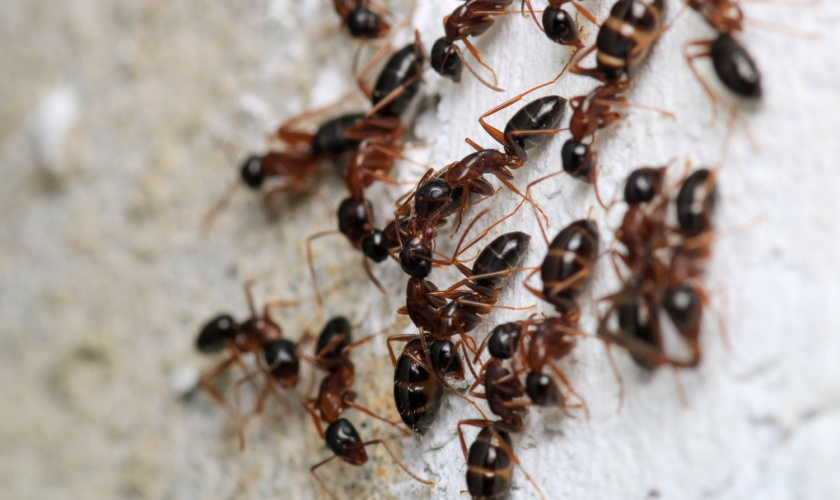
Ants are the most frequent call we receive. Odorous house ants, fire ants, and carpenter ants are all active here, and they enter through small gaps in search of food and water. Odorous house ants form the long indoor trails most people recognize, while fire ants build mounds in yards and deliver a painful sting. Carpenter ants are the most concerning of the group because they tunnel into damp or damaged wood.
A few practical steps can reduce the problem, and our guide to keeping ants out of your Raleigh home covers them in detail. When trails keep returning, ant control treats the colony rather than the ants you see.
Cockroaches
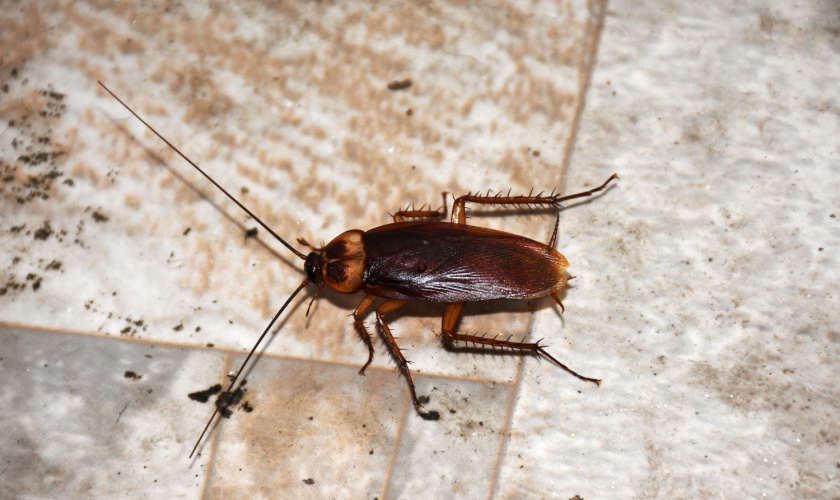
North Carolina is home to several roach species, including German cockroaches indoors and the larger American and smoky brown roaches that many residents call “water bugs.” Roaches do not break into a home so much as find existing gaps around pipes, doors, and foundations. Once inside, German cockroaches reproduce quickly in warm, moist areas like kitchens and bathrooms, and they can spread bacteria across surfaces and trigger allergies. Professional cockroach control targets both the population and the conditions that attract it.
Rodents
Mice and rats become more noticeable as temperatures drop and they move indoors for warmth. Norway rats, roof rats, and house mice are all found in the area. Rodents gnaw on wiring, contaminate food, and reproduce rapidly, so a small problem can grow within weeks. Our rodent control service finds entry points and removes the infestation at the source.
Spiders
Most spiders in Raleigh homes are harmless and feed on other insects, though their presence often signals that other pests are available to eat. Common house and cellar spiders are a nuisance more than a threat, and reducing the insects they rely on usually reduces the spiders themselves.
Mosquitoes and Stinging Insects
Mosquitoes thrive in our humid summers and breed in any standing water, from clogged gutters to plant saucers. Beyond the bites, they can transmit disease, which is one reason consistent control matters. Paper wasps, yellow jackets, and hornets also build nests around homes and become aggressive when disturbed. Both are seasonal but persistent across the warmer months.
Termites
Termites are less visible than the pests above but far more costly. Raleigh’s moisture and clay soil create favorable conditions for subterranean termites, which can damage a home’s structure before any signs appear. Annual inspections are the most reliable way to catch them early, especially for homeowners buying or selling a property.
Most Raleigh homes will encounter several of these pests over time. The difference between a minor nuisance and a costly problem is usually how quickly it is addressed. If you are seeing any of these pests in or around your home, contact us and we will identify what you are dealing with and recommend a treatment plan.